
Blood in Stool: What It Means and When to Worry
Noticing blood in your stool can be alarming, and for good reason. While it may sometimes be caused by minor conditions, it can also be a sign of something more serious. The key is not to panic—but also not to ignore it. Understanding what it means and when to seek medical advice can make a significant difference in your health. Blood in stool can appear in different ways. It may be bright red, dark red, or even black and tarry. The color often gives a clue about where the bleeding is coming from. Bright red blood usually indicates bleeding from the lower part of the digestive tract, such as hemorrhoids or anal fissures. Dark or black stools may suggest bleeding from higher up, such as the stomach or intestines. There are several possible causes of blood in stool. In many cases, it may be due to common conditions like hemorrhoids or small tears in the anal lining. However, it can also be linked to infections, inflammatory bowel disease, polyps, or even colorectal cancer. This is why proper evaluation at trusted centers like Shalamar Hospital Lahore is essential for accurate diagnosis. Some individuals may also experience additional symptoms such as abdominal pain, diarrhea, constipation, weakness, or unexplained weight loss. These symptoms should never be ignored, especially if they persist. If you notice any of these signs, it is important to consult a specialist through the Colorectal Surgery Department at Shalamar Hospital for a thorough assessment. One of the biggest mistakes people make is delaying medical consultation due to embarrassment or fear. Many assume the problem will resolve on its own, but this delay can sometimes allow underlying conditions to worsen. Early evaluation not only helps identify the cause but also ensures timely treatment. Diagnosis usually begins with a detailed medical history and physical examination. Doctors may recommend tests such as blood work, stool analysis, or imaging studies. In some cases, procedures like colonoscopy may be required to directly examine the digestive tract. Advanced diagnostic support is available through the Radiology Department at Shalamar Hospital, ensuring accurate and timely results. Treatment depends on the underlying cause. Minor conditions like hemorrhoids may be managed with lifestyle changes, medications, and dietary adjustments. More serious conditions may require specialized treatment, including medical therapy or surgery. Comprehensive care is also available through the Oncology Services at Shalamar Hospital for patients diagnosed with advanced colorectal conditions. Maintaining good digestive health can help reduce the risk of many underlying causes. Eating a fiber-rich diet, staying hydrated, avoiding excessive straining, and addressing digestive issues early can all make a difference. You can also read more in our guide on Common Digestive Disorders and Their Prevention. The most important message is simple: never ignore blood in your stool. Even if the cause turns out to be minor, it is always better to get it checked. Early detection can prevent complications and, in some cases, save lives. If you are experiencing this symptom or have concerns, consider consulting Dr. Ahsan or visiting the Colorectal Surgery Department for expert guidance. Your health is too important to overlook—listen to your body and act early.
Neurogenic Bladder: Causes, Symptoms & Treatment Options
Neurogenic bladder is a condition in which the bladder does not work properly because the nerves controlling it are affected. Normally, the brain, spinal cord, and bladder work together to store urine and empty it at the right time. When this communication is disturbed, a person may face urine leakage, frequent urination, difficulty passing urine, or incomplete bladder emptying. This condition can happen due to several neurological or medical problems, including spinal cord injury, stroke, diabetes, Parkinson’s disease, multiple sclerosis, or nerve damage after surgery. In some patients, the bladder becomes overactive, causing sudden urgency and leakage. In others, the bladder becomes weak and does not empty properly, which may lead to urine retention. The symptoms of neurogenic bladder should never be ignored. A patient may feel the need to urinate again and again, may wake up several times at night, or may struggle with a weak urine stream. Some people also feel that their bladder is still full even after passing urine. If these symptoms continue, it is important to consult a specialist from the Department of Urology at Shalamar Hospital. If left untreated, neurogenic bladder can cause repeated urinary tract infections, bladder stones, kidney swelling, and in severe cases, kidney damage. Early diagnosis helps protect the kidneys and improves quality of life. Doctors may recommend urine tests, ultrasound, bladder function tests, or other investigations depending on the patient’s condition. Treatment depends on the cause and severity of symptoms. Some patients improve with lifestyle changes, bladder training, scheduled urination, and medicines. Others may need catheterization to empty the bladder safely. In selected cases, advanced options such as Botox injections, nerve stimulation, or surgery may be advised. At Shalamar Hospital Lahore, patients can receive evaluation and treatment for a wide range of bladder, kidney, and urinary problems. For women who experience bladder control issues along with pelvic floor problems, the Urogynaecology Clinic at Shalamar Hospital also provides specialized care for bladder and pelvic disorders. Neurogenic bladder may sound worrying, but with timely medical care, it can be managed effectively. The most important step is not to delay consultation. If you or someone in your family is experiencing urine leakage, frequent urination, difficulty emptying the bladder, or repeated urinary infections, book an appointment with Dr. Muhammad Fayyaz or visit the Urology Department for expert guidance.
Urological Cancers: Early Awareness Can Save Lives
When we talk about cancer, most people immediately think of common types like breast or lung cancer. However, urological cancers are often overlooked, despite being just as serious. These cancers affect the urinary system and male reproductive organs, including the kidneys, bladder, prostate, and testes. One of the biggest challenges we face is that many patients ignore early symptoms, assuming they are minor or temporary issues. In clinical practice, delay is one of the most common problems. Patients often visit the hospital when the disease has already progressed, making treatment more complicated and outcomes less favorable. What’s important to understand is that urological cancers, when detected early, can often be treated effectively with very good results. Facilities like the Department of Urology at Shalamar Hospital are equipped to diagnose and manage these conditions at an early stage. The body usually gives warning signs, but they are often subtle and easy to ignore. Some individuals may notice blood in the urine, which is never normal and should always be taken seriously. Others may experience difficulty in urination, changes in urinary habits, or persistent pain in the lower abdomen or back. In men, prostate-related issues may begin as mild urinary symptoms but gradually worsen over time. If you want to understand more about urinary symptoms and related conditions, you can also read our guide on Common Urinary Problems and When to See a Doctor. Unfortunately, many people ignore these signs due to hesitation or lack of awareness. Some feel uncomfortable discussing urinary or reproductive health, while others believe the symptoms will resolve on their own. This delay can be dangerous because cancers detected at an early stage are far easier to treat than those diagnosed later. There are several risk factors associated with urological cancers. Smoking is one of the leading causes, particularly for bladder cancer. Age also plays a significant role, especially in prostate cancer, which is more common in older men. Family history, lifestyle choices, and environmental exposure can further increase the risk. Regular check-ups at trusted centers like Shalamar Hospital Lahore can help identify these risks early and allow timely intervention. The good news is that modern medicine offers a wide range of diagnostic and treatment options. With advanced imaging, laboratory tests, and screening procedures, doctors can detect these cancers early. Treatment may include surgery, medications, or other advanced therapies depending on the type and stage of the disease. Specialized care, including support for complex cases, is available through units such as the Urogynaecology Clinic at Shalamar Hospital, which also deals with related pelvic and urinary conditions. What truly makes the difference, however, is awareness. People need to understand that symptoms related to urination or unexplained discomfort should never be ignored. Seeking medical advice early can lead to timely diagnosis and significantly better treatment outcomes. As doctors, our message is simple: don’t wait. If you notice anything unusual—especially blood in urine or persistent urinary issues—consult a specialist immediately. You can book an appointment with Dr. Irfan Nazir or visit the Urology Department for expert guidance. Early detection doesn’t just improve treatment—it can save lives.
Gallbladder Cancer: What You Should Know About Symptoms and Treatment
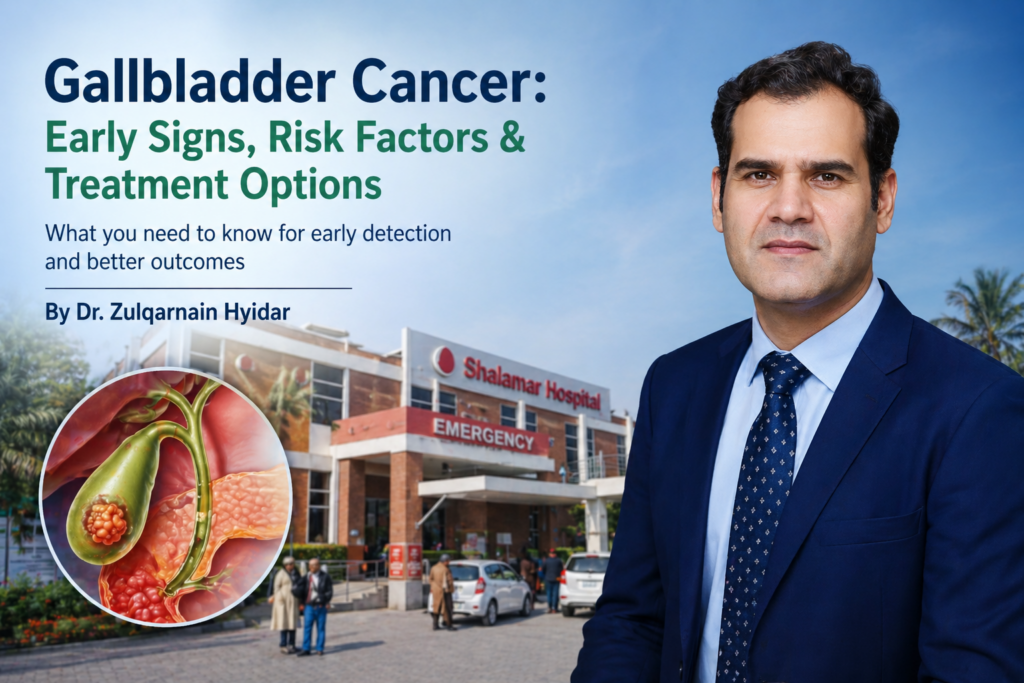
Gallbladder cancer is not something most people think about in their daily lives, and that’s exactly what makes it dangerous. Although it is a relatively rare condition, it is often diagnosed at a later stage because its symptoms are subtle and easily overlooked. This lack of awareness leads to delays in diagnosis, which can make treatment more challenging. Raising awareness about gallbladder cancer is essential so patients can seek medical help at the right time. The gallbladder is a small organ located just beneath the liver, and its primary role is to store bile that helps in digestion. Cancer can develop in this organ, and while it is uncommon, it can be aggressive if not detected early. At specialized centers like Shalamar Hospital Lahore, early evaluation and diagnosis play a crucial role in improving outcomes for patients with such conditions. One of the biggest challenges with gallbladder cancer is that it usually does not cause clear symptoms in its early stages. Many patients only begin to notice problems once the disease has progressed. Some individuals experience a dull pain in the upper right side of the abdomen, while others may feel nausea, loss of appetite, or gradual weight loss without any obvious cause. In more advanced cases, jaundice may develop, leading to yellowing of the skin and eyes. These symptoms should never be ignored, and patients are encouraged to consult specialists through the Gastroenterology Department at Shalamar Hospital for proper evaluation. There are certain risk factors that can increase the chances of developing gallbladder cancer. Gallstones are one of the most common contributors, especially when they cause long-term irritation or inflammation. Obesity, increasing age, and a family history of gallbladder disease can also play a role. While these factors do not guarantee the development of cancer, they highlight the importance of regular medical check-ups. You can also explore more about digestive system health in our guide on Common Digestive Disorders and Their Prevention. When it comes to diagnosis, doctors rely on imaging techniques such as ultrasound, CT scans, or MRI to understand what is happening inside the body. In some cases, additional tests are needed to confirm the diagnosis. Early detection makes a significant difference in treatment success, which is why timely consultation at facilities like the Radiology Department at Shalamar Hospital is highly recommended. Treatment depends on how early the cancer is identified. If diagnosed at an early stage, surgical removal of the gallbladder can sometimes completely cure the condition. However, in advanced cases, treatments such as chemotherapy or radiation therapy may be required to control the disease and improve quality of life. Multidisciplinary care is available at the Oncology Services at Shalamar Hospital to ensure patients receive comprehensive treatment. What’s important to understand is that gallbladder cancer often progresses quietly. It does not always present obvious warning signs, which is why paying attention to persistent or unusual symptoms is so important. If you experience ongoing abdominal discomfort or unexplained health changes, it is always better to seek medical advice rather than ignore them. In the end, awareness is our strongest tool. The more we understand gallbladder cancer, the better we can recognize its early signs and take timely action. If you have concerns or symptoms, you can consult Dr. Zulqarnain Hyder or visit the Gastroenterology Department for expert guidance. Early diagnosis can save lives, and even in advanced stages, proper care can help patients live more comfortably and with dignity.
Understanding Gynecological Cancer: What Every Woman Should Know
Gynecological cancers are a serious health concern affecting women worldwide. These cancers develop in the female reproductive system, including the ovaries, uterus, cervix, vagina, and vulva. While the diagnosis can feel overwhelming, early detection and awareness can significantly improve outcomes. Understanding the signs, risks, and preventive measures is essential for protecting women’s health. Facilities like Shalamar Hospital Lahore provide comprehensive care for women’s health, ensuring timely diagnosis and treatment. Gynecological cancer does not always present clear symptoms in the early stages, which is why regular checkups are so important. Many women ignore early warning signs, assuming they are minor hormonal or lifestyle-related issues. Regular visits to the Gynecology Department at Shalamar Hospital can help identify potential problems early. Some of the most common symptoms include abnormal vaginal bleeding, pelvic pain, unusual discharge, bloating, or changes in urinary or bowel habits. While these symptoms do not always mean cancer, they should never be ignored. Women experiencing such symptoms are encouraged to seek expert care through the Urogynaecology Clinic at Shalamar Hospital, where specialized evaluation is available. There are different types of gynecological cancers, each affecting a specific part of the reproductive system. Cervical cancer is one of the most preventable types and is often linked to the human papillomavirus (HPV). Ovarian cancer, on the other hand, is more difficult to detect early because its symptoms are often subtle. Endometrial or uterine cancer is commonly associated with abnormal bleeding, especially after menopause. Other less common cancers, such as vaginal and vulvar cancers, may present with irritation, itching, or visible lesions. Several risk factors can increase the likelihood of developing gynecological cancer. These include age, family history, hormonal imbalances, obesity, and infections such as HPV. Lifestyle factors like smoking and lack of regular screenings can also contribute to increased risk. Maintaining regular checkups at Shalamar Hospital can help manage these risks effectively. Early detection plays a crucial role in successful treatment. Regular Pap smears, HPV testing, and pelvic examinations can help identify problems before they become serious. Diagnostic support through services like the Radiology Department at Shalamar Hospital ensures accurate and timely assessment. Women should not delay seeking medical advice if they notice any unusual symptoms. Treatment options depend on the type and stage of cancer. They may include surgery, chemotherapy, radiation therapy, or a combination of these approaches. Advances in medical care have made treatments more effective and personalized, improving survival rates and quality of life. Comprehensive cancer care is available through the Oncology Services at Shalamar Hospital. Prevention is equally important. Vaccination against HPV, maintaining a healthy lifestyle, and attending regular screenings can significantly reduce the risk. Awareness and education empower women to take control of their health and seek timely care. Gynecological cancer can be challenging, but with early diagnosis and proper treatment, many women go on to live healthy lives. The key is not to ignore the signs and to prioritize regular medical checkups. If you have concerns or symptoms, you can consult Dr. Shaharzad Sohail or visit the Gynecology Department for expert guidance. Taking care of your health today can make all the difference tomorrow.
Struggling with Hair Loss? Here’s What You Need to Know

Hair loss can be distressing, frustrating, and emotionally exhausting. For many people, it affects much more than appearance—it impacts confidence, self-esteem, and overall well-being. The good news is that hair loss is often manageable, and in many cases, treatment can help slow it down or even improve regrowth. Understanding the cause is the first step toward finding the right solution, and expert care is available at facilities like Shalamar Hospital Lahore. Hair loss, also known as alopecia, refers to excessive shedding or thinning of hair from the scalp or other parts of the body. Losing some hair every day is normal, but noticeable thinning, a widening part line, bald patches, or excessive hair on your pillow or in the shower may indicate a deeper issue. It can affect both men and women and may appear gradually or suddenly, depending on the cause. Patients experiencing these concerns are encouraged to seek evaluation through the Dermatology Department at Shalamar Hospital. There are several reasons why hair loss occurs, and identifying the exact cause is essential for proper treatment. One of the most common causes is genetics. Hereditary hair loss usually develops slowly and may appear as thinning at the crown, a receding hairline, or overall reduced hair density. Hormonal changes are another major factor. Pregnancy, childbirth, menopause, thyroid disorders, and conditions like PCOS can all lead to increased hair shedding. Nutritional deficiencies also play a significant role. Low levels of iron, vitamin D, protein, zinc, and other essential nutrients can weaken the hair growth cycle and result in hair fall. You can learn more about maintaining overall health in our guide on Healthy Lifestyle and Nutritional Balance. Stress and illness can also trigger temporary hair loss. Physical stress from surgery or illness, as well as emotional stress, can disrupt the normal hair growth cycle. In addition, scalp health is equally important. Conditions such as dandruff, fungal infections, inflammation, or psoriasis can affect hair quality and lead to thinning or breakage. Proper diagnosis and treatment are available through the Dermatology Services at Shalamar Hospital. Certain hair care practices can damage the hair over time. Frequent use of heat styling tools, chemical treatments, tight hairstyles, and excessive use of styling products can weaken the hair shaft and harm the scalp. Making small but consistent changes in daily hair care can help protect long-term hair health. You should consider seeking medical advice if you notice sudden or severe hair shedding, patchy bald spots, or thinning that continues to worsen. Symptoms like itching, redness, scaling, or scalp pain should not be ignored. Hair loss accompanied by fatigue, weight changes, or menstrual irregularities may also indicate an underlying condition that needs attention. Diagnosing hair loss begins with a detailed medical history and scalp examination. In some cases, further tests such as blood work may be required to check for anemia, thyroid issues, or vitamin deficiencies. Hormonal evaluation and assessment of lifestyle, stress levels, and diet help identify the root cause. Diagnostic support is also available through the Laboratory Services at Shalamar Hospital. Treatment depends on the underlying cause of hair loss. There is no single solution that works for everyone, but a combination of medical treatments, nutritional support, and lifestyle adjustments can help manage the condition effectively. Medications may be recommended to reduce hair fall and promote regrowth where appropriate. Improving nutrition is often a key part of treatment. Addressing deficiencies can strengthen hair and improve overall health. Proper scalp care is equally important, especially if infections or inflammation are present. Lifestyle changes such as managing stress, getting adequate sleep, eating a balanced diet, and avoiding damaging hair practices can make a meaningful difference. In some cases, advanced treatments may be considered depending on the severity and diagnosis, and these are offered through specialized dermatology care at Shalamar Hospital. Whether hair can grow back depends on the cause. Some types of hair loss are temporary and reversible, especially when treated early. Others may be long-term but can still be managed effectively with consistent care. Early intervention always improves the chances of better outcomes. There are also simple steps you can take to protect your hair. Maintaining a balanced diet rich in protein, avoiding extreme dieting, limiting heat and chemical exposure, and treating scalp issues early can all help. It is equally important to avoid tight hairstyles and manage stress levels. Seeking professional advice rather than self-medicating can prevent the condition from worsening. Hair loss can feel overwhelming, but it is often treatable once the underlying cause is identified. Instead of ignoring the issue or relying on random remedies, it is better to seek proper evaluation and follow a personalized treatment plan. If you are experiencing hair concerns, you can consult Dr. Sommiya Anum or visit the Dermatology Department for expert care and guidance. Healthy hair begins with understanding what your body and scalp are telling you.
From Pain to Relief – A Patient Success Story
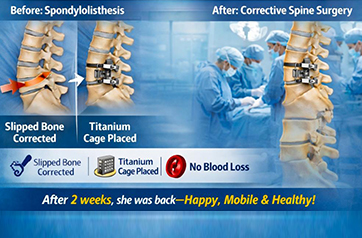
A 45-year-old woman came to us with severe back pain spreading to both legs. She also experienced numbness while walking, making daily activities difficult. After detailed evaluation, scans showed a condition called spondylolisthesis (slipped vertebra) in her lower spine. Our expert team DR HASEEB ELAHI performed a spine correction surgery, where:✔ The slipped bone was corrected✔ Space between the vertebrae was restored✔ A titanium cage was placed for support ✨ The result?She was pain-free the very next day with no blood loss during surgery. After 2 weeks, she returned for stitch removal—happy, mobile, and satisfied 😊 💜 Your health matters. Expert care makes the difference.
A Small Kidney Saved, A Healthier Future Secured
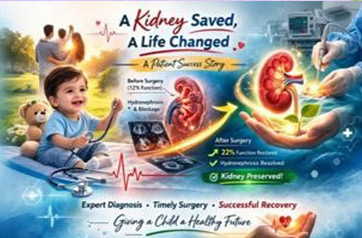
In medicine, every saved organ is a victory — but when that patient is a child, the impact becomes even more meaningful. This is the story of a young child whose kidney was successfully preserved through timely diagnosis, advanced evaluation, and expert surgical care by Dr. Muhammad Fayyaz at the Urology Department of Shalamar Hospital. The child’s condition was first identified before birth during a routine prenatal ultrasound, which revealed an obstruction in one kidney present since birth. This led to a serious condition called Hydronephrosis, in which urine accumulates inside the kidney, causing swelling and gradual damage. When the child reached eight months of age, his parents became increasingly concerned as he began suffering from repeated episodes of fever and vomiting — clear signs that the condition was affecting his health. Further imaging showed severe hydronephrosis with a very thin renal cortex, indicating that the kidney had already sustained significant damage. Due to the severity of the condition, the family was advised elsewhere that kidney removal might be the only option. Seeking another opinion and hoping for an alternative, the parents travelled from Saudi Arabia to Pakistan and consulted the Urology team at Shalamar Hospital. After careful evaluation, Dr. Muhammad Fayyaz recommended a MAG-3 scan, a specialized nuclear imaging test used to assess kidney function. The scan showed that although the kidney was severely affected, it was still functioning at 12%. Rather than removing the kidney, the decision was made to preserve it. The child underwent Pyeloplasty, a reconstructive procedure designed to remove the blockage and restore normal urine flow from the kidney. The surgery was successfully performed at Shalamar Hospital and took approximately one to one and a half hours. The outcome was highly encouraging. Six months after surgery, a follow-up MAG-3 scan showed that kidney function had improved from 12% to 22%. More importantly, the hydronephrosis had resolved, and the kidney was no longer swollen. Today, at one year and two months of age, the child is healthy, active, and thriving. The fever and vomiting that once troubled him have completely disappeared. This case reflects an important lesson in modern medicine: with expert evaluation and timely intervention, even a severely compromised organ can sometimes be saved. At Shalamar Hospital, such outcomes demonstrate a continued commitment to patient-centered care, advanced diagnostics, and surgical excellence — helping children and families move toward healthier futures every day
From 165 kg to 70 kg — A Story of Survival, Strength, and Transformation

For years, Amjad Younis from Mansehra carried more than just excess weight — he carried the physical limitations, health risks, and emotional burden that often accompany severe obesity. At his highest weight of 165 kg, even routine daily activities had become exhausting challenges. But today, Amjad stands at 70 kg, having achieved an extraordinary 95 kg weight loss, a transformation that has not only reshaped his body but completely redefined his life. The Turning Point After struggling with obesity and its associated complications, Amjad made the courageous decision to pursue surgical treatment. He underwent Maaz Modification of Roux-en-Y Gastric Bypass (MMRYGB) performed by Prof. Dr. Maaz ul Hassan at Shalamar Hospital, a procedure recognized for its effectiveness in treating severe obesity and restoring metabolic health. The surgery was not a cosmetic choice, it was a lifesaving intervention. A Journey, Not a Shortcut Now three years post-operation, Amjad’s success reflects far more than the number on a weighing scale. Bariatric surgery is a powerful medical tool, but long-term success depends on commitment, discipline, and lifestyle change — qualities Amjad demonstrated at every stage of his journey. Through adherence to dietary guidance, regular follow-ups, and a determination to reclaim his health, he steadily moved toward a future once thought impossible. Thriving — Not Just Surviving Today, Amjad is healthier, more active, and living a life free from the physical constraints that once defined his days. His story is a reminder that with the right medical support and personal resolve, even the most daunting health challenges can be overcome. Under the expert care of Prof. Dr. Maaz-ul-Hassan, patients like Amjad are not simply losing weight — they are gaining years of life, renewed confidence, and the freedom to dream again. A Message of Hope Amjad’s transformation sends a powerful message to those battling severe obesity: Change is possible. Help is available. And a healthier future may be closer than you think.
Urethroplasty Permanent solution to Urethral stricture disease.
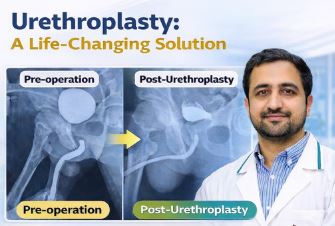
For two years, a young man’s life was overshadowed by pain, discomfort, and emotional distress after a devastating road traffic accident. The injury left him suffering from severe urethral stricture disease — a condition in which the urethra becomes narrowed, making urination difficult and often impossible without medical assistance. His condition had become so complicated that several hospitals refused to perform surgery. He was forced to live with a catheter attached to his lower abdomen, connected to a urine bag. The physical discomfort was constant, but the emotional toll was even greater. Once active and independent, he felt helpless and deeply upset about his situation. Determined to find a permanent solution, he traveled from abroad to seek treatment at Shalamar Hospital, where he consulted Dr. Usama Nawaz. Dr. Usama is fellowship-trained in urethral reconstruction from the UK and has established a dedicated Stricture Clinic at the hospital, held every Wednesday morning. His expertise in advanced reconstructive procedures has brought new hope to patients with complex and recurrent urethral strictures. Unlike conventional treatments such as dilatation or repeated internal surgeries — which often result in recurrence — urethroplasty offers a permanent, long-term solution. This reconstructive surgery involves taking a small graft from the patient’s mouth (buccal mucosa) to rebuild and widen the narrowed urethra, restoring normal urinary flow. The patient underwent a complex urethroplasty procedure. The surgery was successful, and for the first time in years, he was free from the catheter and urine bag. There was no need for repeated dilatations or self-catheterization. Gradually, he regained his strength and confidence. Today, he stands back on his feet — both physically and emotionally. He has returned to work and resumed a normal, independent life after two years of suffering. What once seemed impossible became a reality through expert care and advanced reconstructive surgery. Urethroplasty is not just a procedure; for many patients, it is a life-changing operation that restores dignity, independence, and hope.